What Is Interoperability?
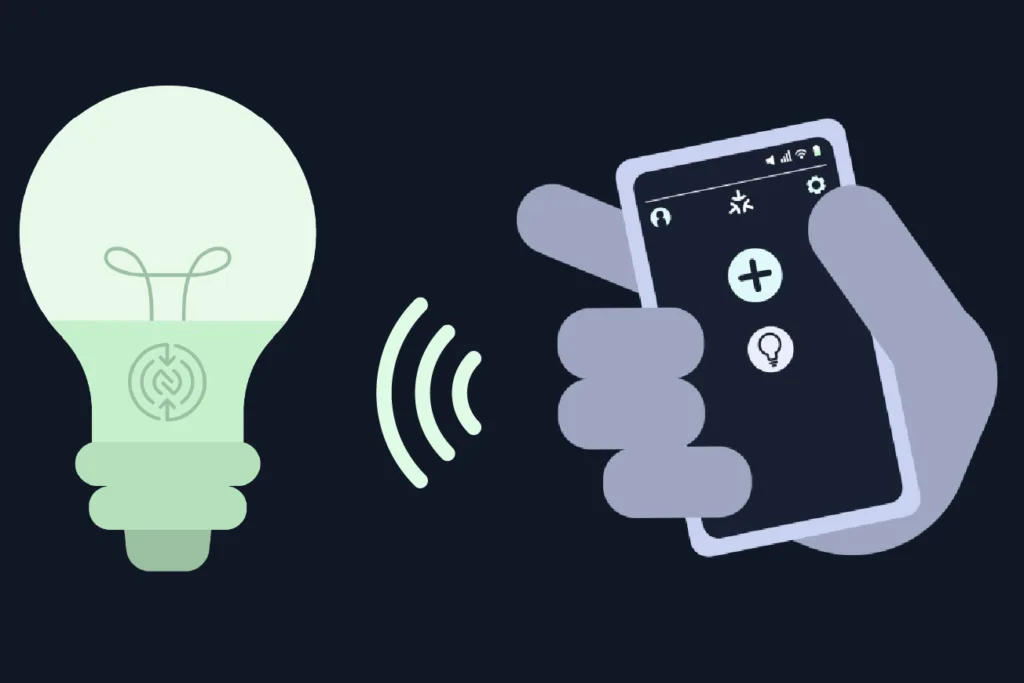
If you’ve ever screwed in a new smart lightbulb only to discover it doesn’t work with the smart home system you already use, you’ll know how annoying it is when smart devices won’t play nicely together.
Before Matter, different device makers and smart home platforms often used different languages and ways of connecting. This limited which devices were compatible with each other. Also, some devices could only be connected to one hub or platform at a time.
This could make building and using a smart home more complex, or limit how devices could be controlled by everyone in the home.
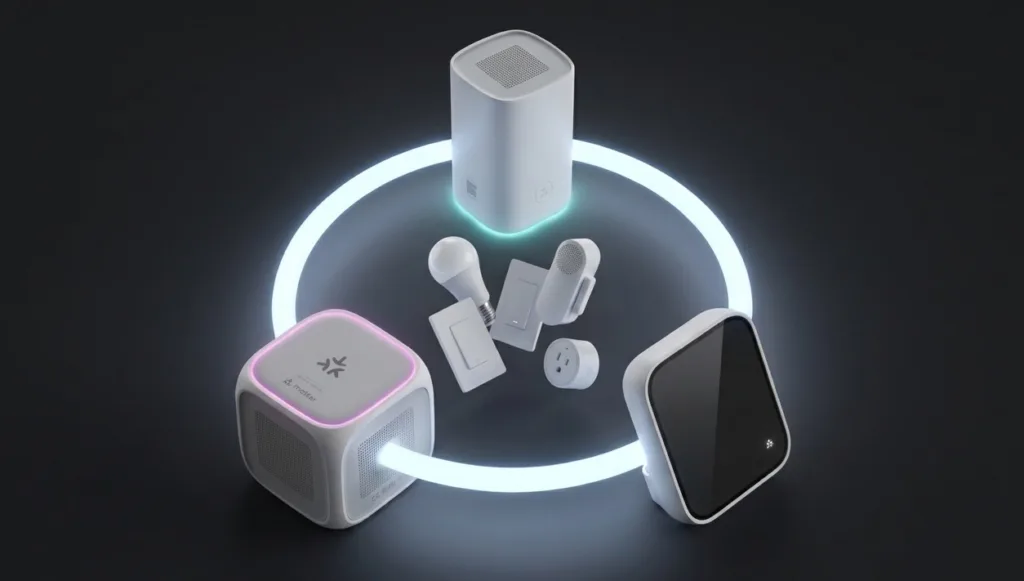
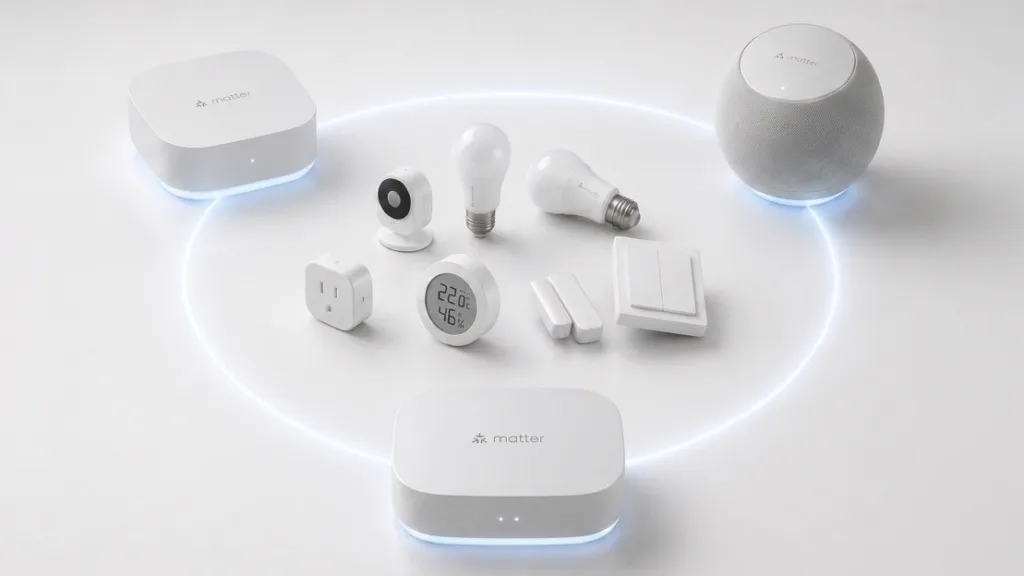
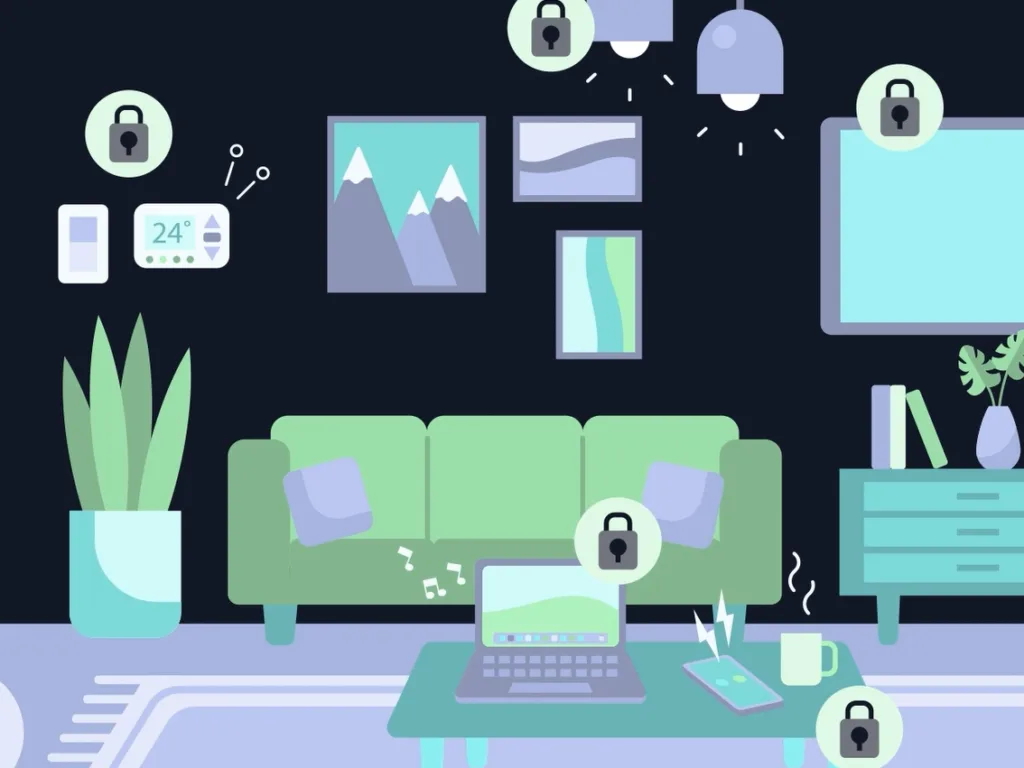
Interoperability is one of the core principles of Matter, designed to address these challenges. It means that more smart devices from different brands and manufacturers can work in your ecosystem of choice, making planning, starting, and growing your smart home easier and more flexible.
With Matter, you have more flexibility to choose the products you want, and that work best for your home and the things you want to do in it.
The Universal Language for Devices
For smart devices to work together, they don’t just need to connect to the same home network, they also need to speak the same language over that network. It’s like when you connect with someone over a phone call or via a text; you both also need to be speaking the same language to keep the conversation flowing.
For smart home devices, Matter is that common language.
Matter provides a single, standardized set of instructions that all Matter-enabled devices can speak and understand, regardless of who made them. For instance, Matter is how a lightbulb can tell your smart home ecosystem: “I’m a lightbulb and I can turn on and off, dim, and change color”. It is also how your ecosystem can consistently tell that lightbulb to “turn off,” or “turn blue at 50% brightness”.
This unifying protocol, developed by many of the industry-leading smart home brands, increases choice for consumers and simplifies development for manufacturers.
A Single, Unified Home Network
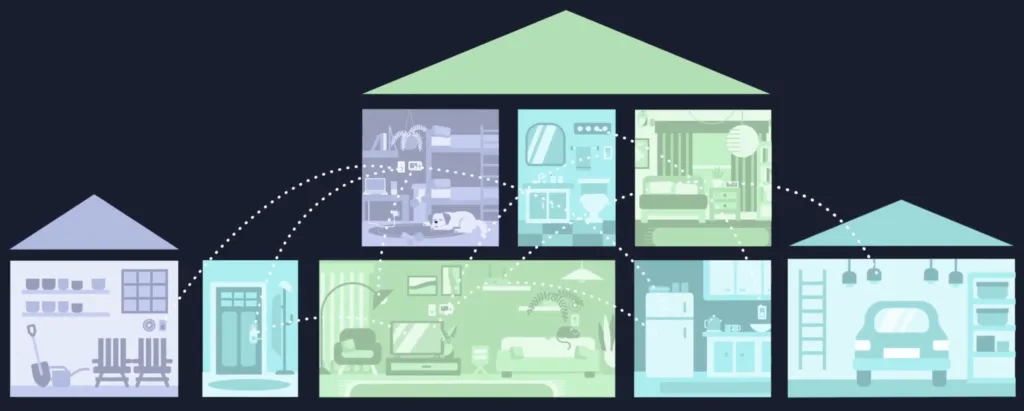
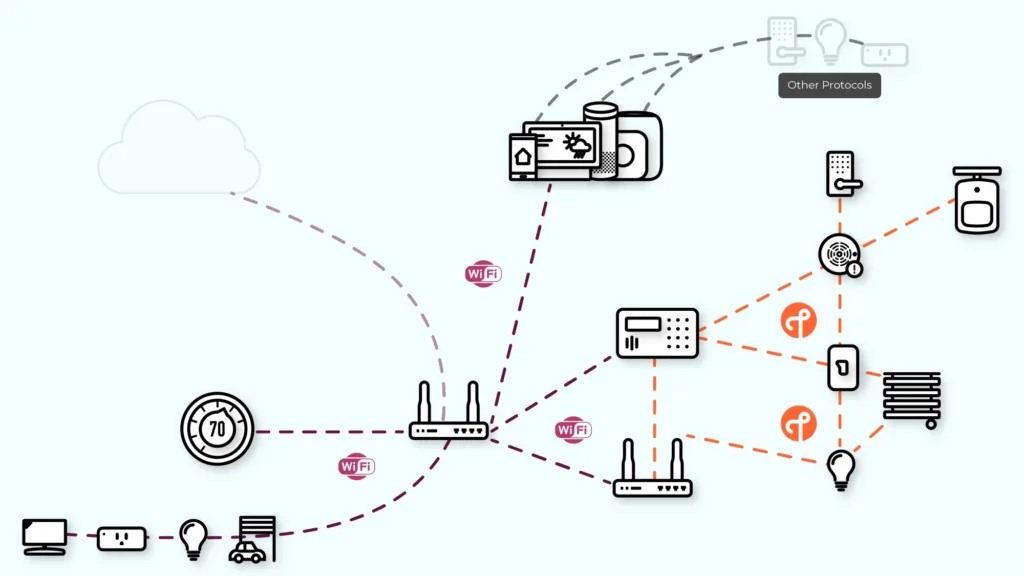
Matter uses Internet Protocol (IP) connectivity, which is the same fundamental technology that powers the internet. Because Matter uses IP, devices can communicate across different connection types you’re most likely already using in your home—such as Ethernet, Wi-Fi, or Thread—allowing them to talk directly to each other, often without any additional infrastructure like new routers or hubs.
By running over familiar, established networks, Matter makes it easy to start and grow your smart home and provides greater compatibility between an ever-expanding list of device types and brands.
Freedom to Choose Your Platforms
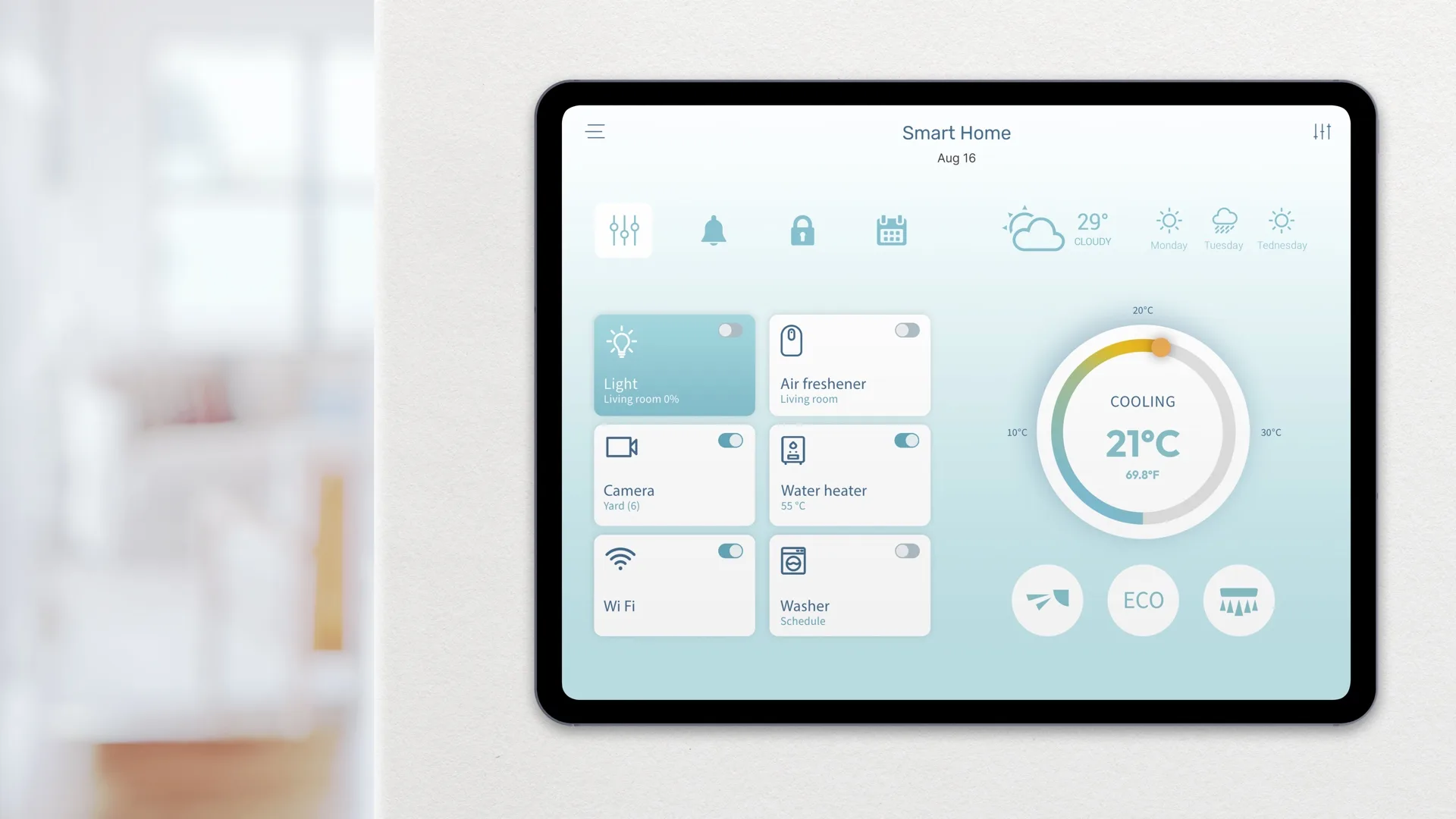
Before Matter, you could usually only connect a device to one ecosystem or app at a time. Matter solves this by allowing a single Matter device to be controlled by multiple smart home ecosystems and apps simultaneously.
This means you can choose the products you want, knowing they are designed to work with your preferred ecosystems, like Amazon Alexa, Apple Home, Google Home, and Samsung SmartThings.
For example, a Matter smart plug can be controlled by Apple Home on your iPhone, Google Home on your partner’s Android smartphone, Alexa on your Echo display, and SmartThings on your Samsung TV, as well as the manufacturer’s own app on all of your devices… or any others in your household.
This gives everyone in your house the flexibility to use the controller, device, or voice assistant that suits them best, regardless of their phone or operating system.
Bringing Your Existing Devices Along
The good news is that you don’t have to replace every device in your home to enjoy the benefits of Matter.
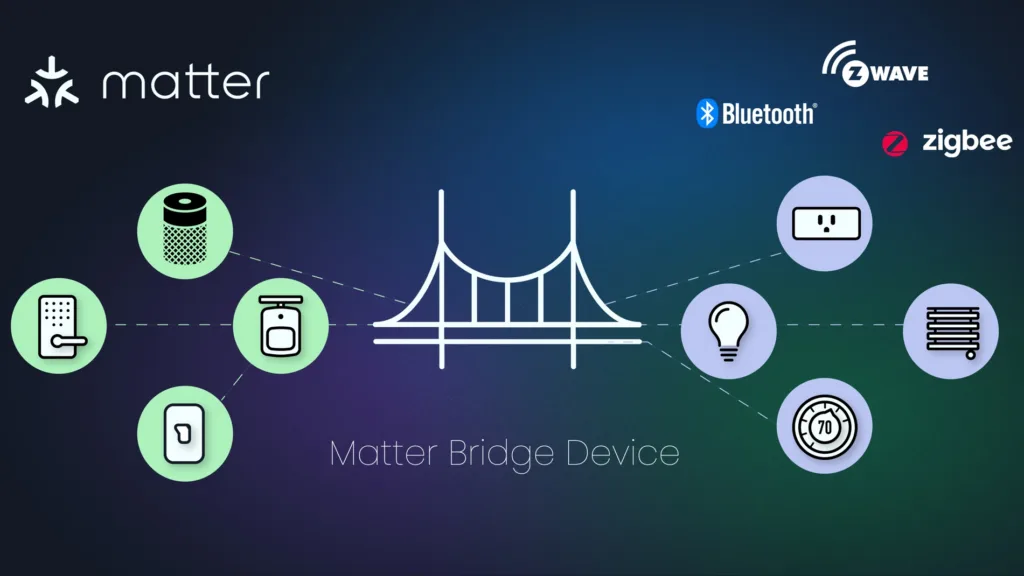
To maintain interoperability with devices using other technologies, Matter supports the use of Matter Bridges. A Matter Bridge is a device that translates non-Matter protocols, such as Zigbee, into the Matter language. These are often built into the hub or gateway that controls those non-Matter devices.
This means that your non-Matter devices that you’ve been using for years can play a part in your unified smart home, helping many of your existing devices work alongside your new Matter devices.
Latest Posts
We’re constantly updating the Matter website, so be sure to check back for all the latest information.