Matter Controllers and Hubs: The Brain of Your Smart Home
Matter Ecosystems
Find out more about these popular smart home ecosystems, and which of their devices can act as Matter Controllers






Common Controller Device Types
Matter Controllers work with the smart home ecosystem you want to connect them to
Smart Speakers and Displays
These are very common devices with built-in Matter Controllers, providing voice and screen-based interfaces to manage your home.
Wi-Fi Routers
Some newer routers and access points have Matter Controller capabilities baked in, making your home network even more powerful without adding extra boxes.
Smart TVs and Set-Top Boxes
Many popular TVs, set-top boxes, or streaming accessories can often operate as Matter Controllers.
Smart Appliances
Some large “white goods” such as refrigerators, can now act as controllers for the rest of your Matter network.
Smart Home Hubs
If you’re already running a smart home via a dedicated hub, there’s a good chance it includes a Matter Controller.
Controllers, Hubs, Bridges, and More…
While “Matter Controller” is the official term used by the Connectivity Standards Alliance, and you might find it used in blogs, articles, or discussion forums, you will often see these devices described or advertised as a Matter “hub.”
In the smart home world, the word “hub” is the most common way to describe a central device that serves as a connection point for multiple smart home products. So devices with Matter Controllers built in, often get called hubs.
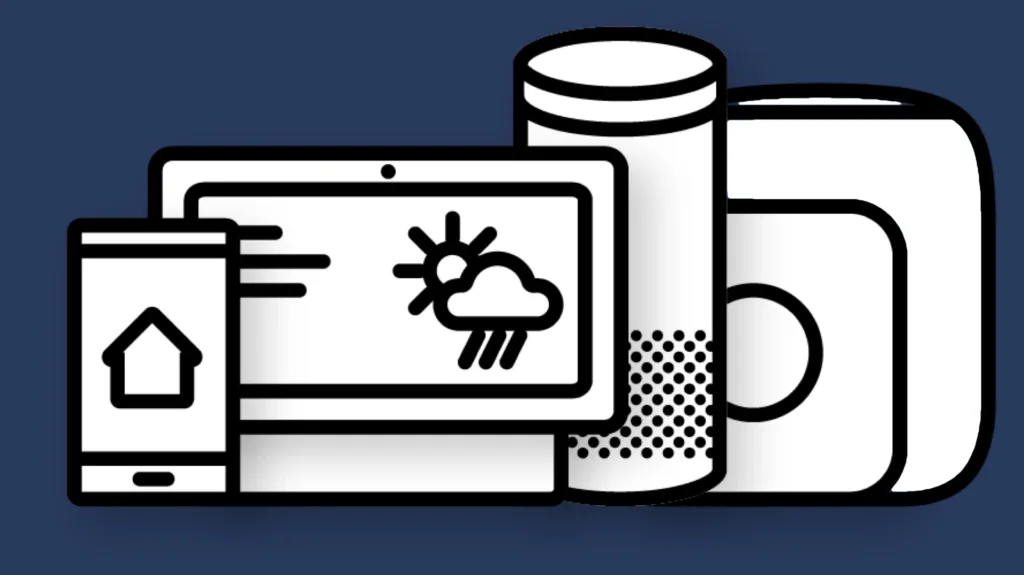
A lot of smart home ecosystems also use the term “hub” to indicate that a device includes this kind of functionality.
You might see promotions claiming your Google TV Streamer “can work as a hub for Google Home,” an Amazon Echo with a “built-in smart home hub that lets you easily set up and manage dozens of smart devices,” a Samsung TV that may “already be a smart home hub—ready to connect and control devices,” or an Apple HomePod that “can be set up as a smart home hub, giving you access to your home while you’re away.”
As far as your Matter smart home experience is concerned, a hub like any of these is a Matter Controller for the brand or ecosystem you want to connect Matter devices to.
Some Matter devices—especially battery-powered ones like sensors or door locks—use a wireless network technology called Thread.
You’ll often see Matter Controllers and Thread Border Routers mentioned together. While a Controller is the brain, a Thread Border Router is what’s needed to connect your Thread devices to your home’s Wi-Fi or Ethernet.
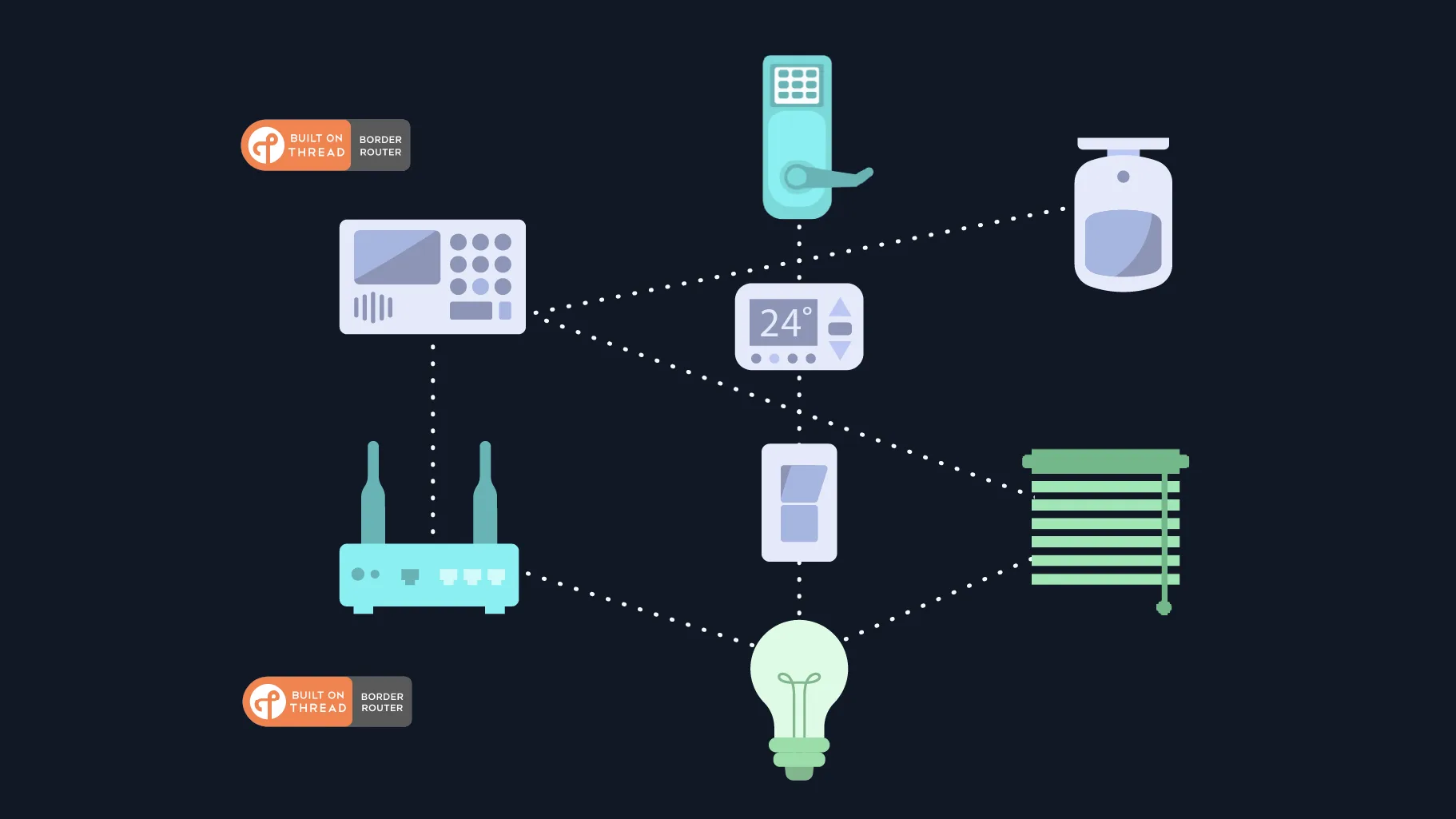
Often, devices that act as Matter Controllers also include a Thread Border Router, including in many popular existing devices you may already have in your home. If you’re adding Thread devices to your home, you’ll want to check with your favorite smart home app or ecosystem to make sure the hub you have from them supports Thread.
A Matter Bridge is a little different. Bridges don’t run the whole show like a Controller; instead, they act as “translators” for non-Matter devices, allowing your existing non-Matter devices (such as those using Zigbee) to connect to Matter Controllers, and become part of your Matter-based smart home.
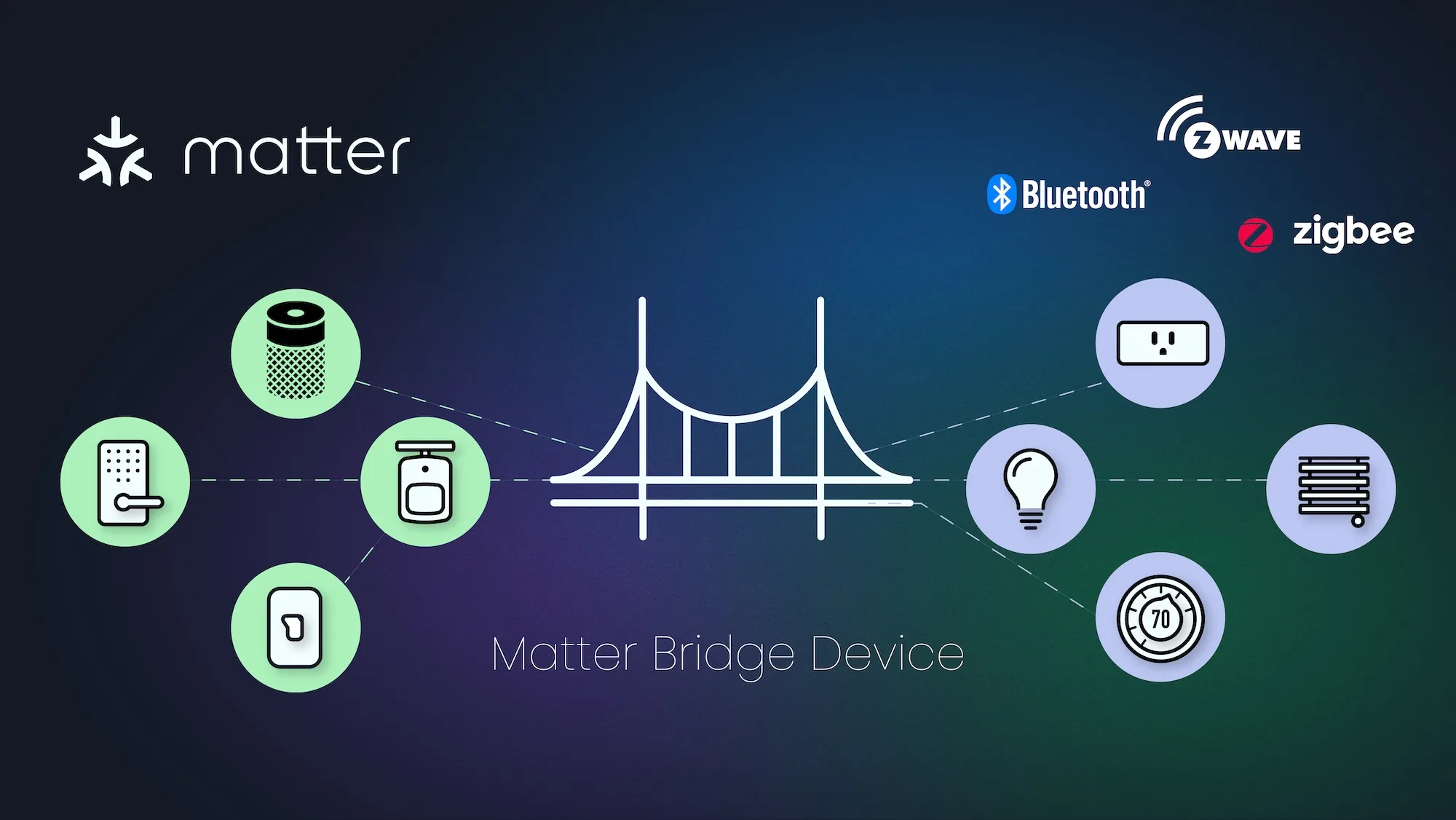
Many devices that act as hubs for particular brands—like an Aqara Hub, IKEA Dirigera Hub or the Philips Hue Bridge—can also act as Matter Bridges, connecting non-Matter devices attached to those hubs to Matter apps and ecosystems.
Unlike a Controller, a Bridge alone doesn’t manage the entire network; its specific job is to help your non-Matter smart devices interact with Matter devices and vice versa.